A tidy room can still feel dusty if the baseboards are grayed with lint and shoe scuffs. I have watched clients wonder why their living rooms never looked fully clean, then light up when the trim finally matched the walls. Baseboards act like shelves for dust and pet hair, and because they run the full perimeter of a room, any buildup exaggerates the mess. Nail the details there, and the entire home reads cleaner by a wide margin.
This is where professional house cleaning earns its keep: nuanced technique, smart sequencing, and consistency. You do not need fancy gear to get baseboards right, but you do need a plan, a bit of patience, and an eye for materials. From there, the logic expands to every surface, from light switch and surface cleaning to kitchen deep cleaning and the quieter rhythms of weekly maintenance.
Why baseboards set the tone
In residential cleaning, the eye follows lines. Baseboards, window sills, door casings, and grout joints all stack up in the brain as a measure of cleanliness. Miss any one of them, and the space never feels buttoned up. If you have pets or forced-air heat, baseboards collect fuzz along the top edge and in the shallow V where trim meets flooring. In older homes, tiny gaps in caulk draw in dust that turns into gray ropes over time. When I audit a home cleaning service, I can often gauge their quality by crouching in one corner and looking along the baseboard for a consistent, crisp edge.
There is also a health angle. Dust is a cocktail of fibers, skin flakes, pollen, and particulate from outdoors. Left undisturbed, it re-enters the air each time you walk by or the HVAC kicks on. Regular baseboard cleaning, paired with dusting and sanitizing of touch points, helps keep allergens down, especially during heavy pollen months.
A method that works on nearly every baseboard
You will see dozens of tips for baseboard cleaning, some useful, some gimmicky. What matters is a sequence that controls dust, protects finishes, and saves your knees. Here is the approach we train new house cleaners to use because it is fast, repeatable, and safe for most painted and stained trim.
- Start dry to remove loose dust. Use a vacuum with a soft brush and edge tool. Glide along the top ledge, the face, and the floor line. If you do not have a vacuum handy, a dry microfiber works, but expect to shake it out often. Clean with a damp solution, not wet. Mix warm water with a drop or two of dish soap in a small bucket. Lightly dampen a microfiber cloth and wring well. Wipe top to bottom. For creases and grooves, a soft-bristled toothbrush or detailing brush helps without scratching. Spot-treat scuffs with care. For semi-gloss paint, a melamine sponge can lift dark heel marks, but use gentle pressure and test in an inconspicuous corner. On stained wood, skip abrasives and use a wood-safe cleaner. Protect the flooring as you go. If you have hardwood, park a dry towel under your working area so drips never sit on the boards. For carpeted rooms, slide a plastic cutting mat or painter’s shield between the baseboard and carpet fibers to keep moisture off the pile. Finish dry, then inspect the caulk line. Buff with a dry cloth to prevent water tracks. If you see cracked or missing caulk, note it for a future fix. Fresh caulk along the top edge makes your next cleaning far easier.
For painted baseboards, the soap-and-water approach is enough nine out of ten times. Oil-based finishes and old varnish need gentler products, ideally a wood cleaner that will not strip sheen. Avoid vinegar on stone or marble baseboard tops, and avoid ammonia near lacquer. If you are unsure, start with water alone and step up slowly.
How often to clean baseboards
Frequency depends on traffic, pets, HVAC filtration, and lifestyle. In a household with two adults, no pets, and decent air filtration, quarterly deep cleaning of baseboards holds up well, with light dusting in between. Add a shedding dog and a toddler, and you are closer to monthly. Near entryways and kids’ rooms, scuffs collect faster, so spot-wipe those sections during weekly floor cleaning and mopping.
Season matters. Spring brings pollen and a rush of open-window dust. Winter concentrates indoor particulates. I recommend a full perimeter wipe at the start of spring and late fall, folded into your regular professional house cleaning or your own seasonal reset.
Beyond the trim: the logic of complete room care
Baseboards are one facet of a system. Professionals work top to bottom, clean to dirty, dry to wet. That prevents rework and cross-contamination. Dust ceiling corners and vents before you clean the trim, so you are not chasing fallout afterward. Wipe doors and light switch and surface cleaning next, then the furniture, then the baseboards, and finally the floors. If you reverse the order, you double your time.
On recurring visits, a home cleaning company will rotate tasks so you receive steady coverage without every room taking all day. For example, week one might include bathroom cleaning with extra time on glass and fixtures. Week two shifts emphasis to kitchen deep cleaning of the stovetop, hood filters, and cabinet fronts. Baseboards and door casings slot in as a zone, often rotated monthly or bimonthly depending on your plan.
What professionals know that shortcuts cannot replace
Good house cleaners do not just move fast. They sequence, they measure dwell time, and they protect finishes.
- Dwell time is the quiet hero of bathroom cleaning. A disinfectant needs a set number of minutes to reduce microbes. Spray the product on the toilet exterior and high-touch points first, then move to the shower or mirrors while it works. By the time you return, wiping is effortless and effective. Neutral pH matters. On sealed wood floors, a neutral cleaner prevents haze and preserves the finish. On stone, avoid acids. On stainless, wipe with the grain to dodge micro-scratches, and buff dry to prevent water spots. HEPA filtration is non-negotiable for allergy-sensitive homes. A vacuum with a sealed HEPA system traps fine dust rather than redistributing it. If your home cleaning service brings its own equipment, ask about filtration ratings. Color-coding reduces cross-contamination. One set of cloths stays in bathrooms, another in kitchens, a third for general dusting and sanitizing. Professionals track this without thinking, which is why they rarely transfer a faint soap scum film onto your coffee table. Edges eat time, so professionals plan for them. Grout lines, window tracks, and baseboards each have a dedicated brush and a few minutes budgeted in the estimate. That is how reliable house cleaners deliver consistent results week after week.
Room-by-room judgment calls
Every room has its traps and its shortcuts that only work when the surfaces support them. A professional cleaner reads the room as they walk in.
Kitchens reward patience. Grease builds invisibly on cabinet pulls and hood undersides. A citrus-based degreaser on a microfiber pad, applied to a warm surface, breaks down oil faster than scrubbing. Stainless appliances clean best when you mist the cloth first, not the metal, so drips do not streak into gasket creases. For kitchen deep cleaning, we budget 45 to 90 minutes depending on size and soil level. Oven interiors and hood filter soaks add time, but you gain it back with fewer daily smudges.
Bathrooms are about sequence and dry time. Start with ventilation, crack a window or run the fan. Descale glass and fixtures before you handle floors, so you can rinse and squeegee without backtracking. Use an alkaline cleaner on soap scum and a mild acid on hard water spots, never together. A shower that looks cloudy after a clean usually needed longer dwell, hotter water, or a change in product, not brute force.
Bedrooms and living rooms benefit most from meticulous dusting and fabric care. Work high to low: fans, tops of frames, lampshades, then furniture edges and legs. Move small items off surfaces rather than trying to wipe around them. In rooms with rugs, vacuum slowly and make two passes at different angles. The baseboards in these spaces collect lint from textiles more than soil, so a dry dust and a quick damp buff keep them in shape between deeper cleans.
Entryways and hallways do more than their share of work. Salt, grit, and shoe rubber leave micro-abrasions that dull hard floors and scar trim. Use shoe mats that actually contain debris, not just flat rugs that let grit slide to the floor. During winter, set a routine to clean the first ten feet of hallway flooring and the matching baseboards at least twice a week. It will save the rest of the home.
DIY or hire it out: the trade-offs
People hire a residential cleaning service for different reasons. Time is the obvious one, but consistency and health rank high too. A skilled pair of professional cleaners can reset a three-bedroom, two-bath home, including floor cleaning and mopping and thorough dusting and sanitizing, in about 2.5 to 4 hours depending on complexity. Add-ons like detailed baseboard cleaning extend that window by 20 to 40 minutes. If you factor your own hourly rate or what you could be doing during that time, a professional house cleaning can be both a relief and a good value.
Cost ranges vary by region, but for context, recurring service from a residential cleaning company often lands between 120 and 220 dollars per visit for average-sized homes, with first-time deep cleans running 1.5 to 2 times that rate. If you need affordable house cleaning, ask about rotating deep tasks to spread the cost. Many companies will alternate kitchen deep cleaning with bathroom detailing, and schedule baseboard cleaning on a six to eight week cadence.
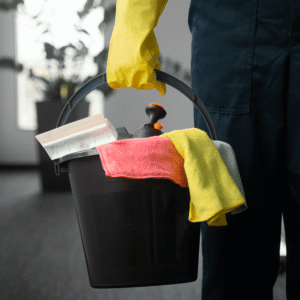
Reliability matters as much as price. Reliable house cleaners show up on time, bring the right products, and follow the checklist you agreed on. Look for a home cleaning company that documents scope in writing, clarifies which supplies they provide, and trains staff on surfaces specific to your home. If you have marble thresholds, unfinished wood shelves, or an antique banister, the crew should note that on the work order. A residential cleaning company that takes five minutes to walk your home at the first visit usually takes care with details.
Supplies that protect your home
You do not need a closet full of chemicals to keep a home clean. You do need products that match the surfaces and soils you face most often.
Microfiber cloths do the heavy lifting. They trap dust without smearing, they release soil in the wash, and they last hundreds of cycles. Keep a dozen on hand, launder without fabric softener, and retire any that feel waxy. A soft detail brush and a toothbrush extend your reach into trim grooves and window tracks.
For general cleaning, a mild dish soap solution tackles fingerprints and light grease on painted baseboards and walls. For bathrooms, carry a pair of targeted products: one alkaline to dissolve soap film, one mineral-safe acid for calcium and lime. For kitchens, a citrus or plant-derived degreaser is enough for most cabinetry. On stone or marble, switch to pH-neutral stone cleaner only. On wood floors, avoid oil soaps that can leave a film, and ring out mops so they are damp, not wet.
If your home cleaning service brings their own chemicals, ask for the product safety sheets and a run-down on where each product will be used. Good professional cleaners appreciate the question. If you provide supplies, label them clearly and keep the set consistent so staff does not guess.
Working with a cleaning company: setting scope and expectations
A straightforward conversation up front saves friction later. Decide which tasks are included every visit and which are rotational. For many homes, the core list includes bathrooms, kitchen surfaces, dusting and sanitizing of touch points, light switch and surface cleaning where needed, floor cleaning and mopping, sanitation and hygiene services trash removal, and a tidy of obvious clutter. Rotational tasks include baseboard cleaning, door and trim detailing, inside the oven, inside the refrigerator, and blinds.
Ask how many people will arrive and how long they expect to be in your home. For a 1,800 square foot home, two professional cleaners might estimate about three hours for a maintenance visit, longer for a first-time clean. If you work from home, set quiet zones or time windows. If you have pets, clarify containment and any sensitivities to vacuums or scents.
A reputable home cleaning service will offer a satisfaction policy. Take advantage of it. If you see streaks on stainless or a missed edge along the baseboards, call within 24 to 48 hours while details are fresh. The best teams adjust quickly and document preferences for next time.
A short homeowner prep that multiplies results
Small steps before cabinet cleaning specialists the crew arrives make the work cleaner and faster, which either lowers cost or lets more time go to deep details like trim and grout.
- Clear floors of toys, pet bowls, and loose cords so vacuums and mops reach edges. Tidy counters and vanities so cleaners can focus on sanitizing, not sorting. Run the dishwasher or empty the sink if dishes are not part of your scope. Secure pets in a safe room with water and a note on the door. Flag special surfaces or fresh paint with a sticky note so the team uses the right product.
Clients sometimes worry this prep means doing the cleaner’s job. It does not. Think of it as removing obstacles so the professionals can spend their billable minutes on the harder work you actually hired them for.
Quality checks that catch the last 5 percent
Experienced pros inspect at angles. After baseboard cleaning, crouch and sight down the wall with light grazing from a side lamp. Stripes or missed patches show up instantly. Use the back of your hand on surfaces like light switches and door pulls. The skin on that side is more sensitive to residue. For floors, shoe a sock and take a slow glide. If you feel grit on the heel, the edges need another pass. Quality control is not nitpicking, it is how you lock in a standard that anyone on the team can replicate.
Timing helps too. If your schedule allows, do a quick walk-through before the crew leaves. Not to micromanage, but to align on preferences while the work is fresh: how glossy you like the stainless, how dry the shower glass should look, how aggressively to chase scuffs on painted trim. Consistency grows from shared language.
Edge cases and special materials
Not all baseboards are created equal. Tall, detailed profiles with deep ogees trap dust in their architecture. Plan extra minutes and use a featherweight brush that will not snag. Old oil-based paints can chalk when scrubbed with harsh cleaners. Test with a damp white cloth in a closet corner. If you see pigment transfer, back off to water and a tiny drop of soap only.
In pre-1978 homes, assume layers of old paint may include lead. You should not sand or aggressively abrade painted trim in those houses. Vacuum with a HEPA tool and use wet methods to keep dust contained. If you suspect active chipping or flaky layers, call a specialist.
Marble thresholds and stone baseboard caps react to acids, including vinegar and lemon. Stick to neutral stone cleaners. For hardwood adjacent to baseboards, avoid standing water. Even a few minutes of pooled moisture can wick under the finish and cloud the board edges. Keep a dry towel in your off hand and chase drips as you go.
Pets change the calculus. Cat hair loves to wedge where baseboards meet radiators and in the shadow line under cabinet toekicks. Add a narrow crevice tool to your vacuum kit and expect to empty bins more often. For allergy-prone homes, aim a quarterly schedule for full perimeter baseboard cleaning and a weekly quick pass with a dry duster on high-shed weeks.
Between-visit maintenance that pays off
You can keep the fresh look with light upkeep. While vacuuming, take twenty extra seconds per room to run the brush tool along the top edge of the baseboards and across door casings. Keep a barely damp microfiber on a hook in the laundry room. When you spot a scuff, wipe it then, not later. In rooms with frequent traffic, slip a painter’s shield behind the baseboard and do three quick feet at a time after mopping. None of this replaces a proper wipe-down, but it slows buildup so the next deep pass goes quickly.
For touch points, a weekly sweep of light switch and surface cleaning with a mild disinfectant reduces fingerprints and keeps the home feeling crisp. It also reduces the risk of grimy edges that require harsher effort down the line.
The value of steady rhythm
Whether you do the work yourself or hire a residential cleaning service, rhythm is what turns chores into results. Baseboard cleaning is a small slice of the whole, yet it carries an outsize visual and health impact. When a home cleaning company sets a rotation that includes trim, doors, and edges, the rest of the tasks feel easier and look better. You notice the shine on the floors because the borders are clean. You notice the clarity of a mirror because the light switches are not smudged. And if you are working with professional cleaners, that rhythm is what makes the service both reliable and, in the long run, affordable house cleaning you can maintain.
The next time a room looks off and you cannot place why, kneel for a moment and look along the baseboard. If it is gray or scuffed, that is your lever. Clean the line, and the whole picture sharpens.